
OUR STORY
Born from personal experience
Heirloom was inspired by a mother in mourning.
While grieving the loss of her son, Linda faced an overwhelming burden of paperwork, phone calls, and logistics to settle her son's estate.
Grief is hard enough. Heirloom was founded so Linda's experience would no longer be the norm. No executor should bear the burden of estate settlement alone.
THE PROBLEM
Executors bear a hidden burden
100s
hours of work
$7K+
legal fees
2x
higher mental health risks
12-18
months to settle
Overwhelming time commitment
Families commonly spend hundreds of hours managing an estate — the equivalent of many full work weeks. This happens while they're grieving, working, and caring for family.
"I thought, 'I can absolutely do this on my own.' Now, a year and a half later, it was easily 500 hours of my time."
Unexpected costs add up
Legal fees, court costs, appraisals, and professional services can consume 1-5% of an estate's value. Undiscovered assets are often lost forever.
"I had no idea they had a $1 million life insurance policy. We almost missed it entirely."
Grief compounded by stress
Executors are twice as likely to experience depression, anxiety, and other mental health challenges. Administrative burden steals time that should be spent healing.
"There's this huge responsibility when you lose someone… You're trying to do it at a time where you're going through grief."
No clear roadmap
Every estate is different. State laws vary. Documents are scattered. Most executors have never done this before and don't know where to start.
"A lot of it is, what do I do next? A lot of the time I don't know. It shouldn't be this terrifying and impossible-to-handle situation."


Heirloom makes all the difference. In the midst of everything going on, it's a relief to know I have a plan and tools to help me.
Lisa
Trustee
THE SOLUTION
Self-help tools for middle-class families
Save time
Heirloom handles the complexity and the leg work so you don't have to.
Save money
Maximize your inheritance with Heirloom's end-to-end suite of tools.
Save stress
Know exactly what to do next, so you can focus on healing instead of worrying.
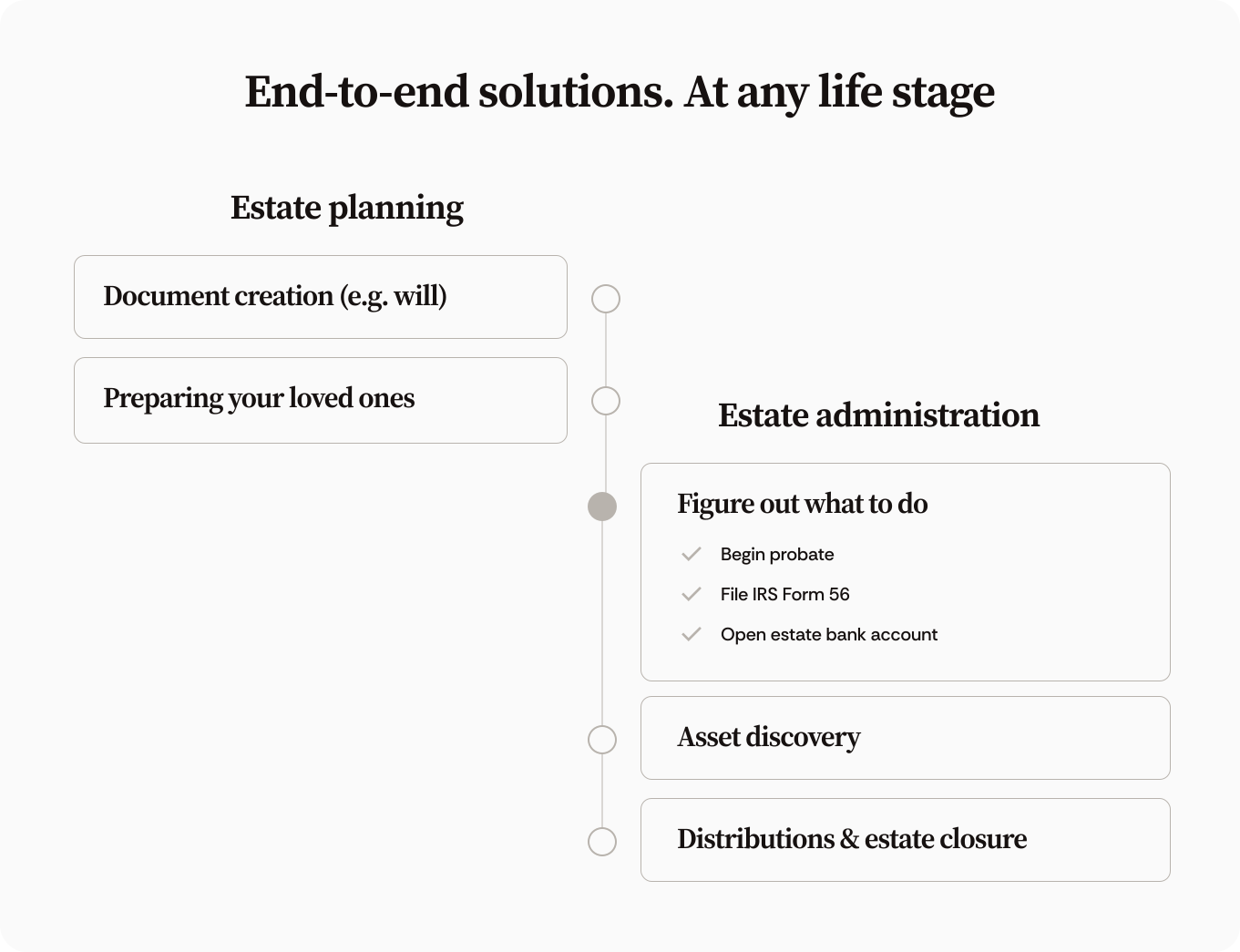
Affordable solutions for both planning and administration
Plan
- Estate planning documents like wills and advance directives (coming soon)
- Guides to prepare your estate and executor for success
- Secure storage for information and instructions
Administer
- Step-by-step settlement guides for executors and trustees
- Automated asset discovery
- AI assistant with state-specific legal guidance
- Beneficiary portal for transparency
WHY PLANNING, TOO?
The best way to simplify
administration is effective planning
- ✕Executor searches for unknown accounts
- ✕Family disputes over unclear wishes
- ✕Expensive legal fees to interpret documents
- ✕Months of confusion and delays
- Clear inventory of all assets and accounts
- Documented wishes limit disputes
- Organized documents reduce legal costs
- Executor has a clear roadmap

FAQs
When someone passes away, their estate (everything they own) must be wrapped up and passed on to heirs. This process is called estate administration. The executor — named in the will or appointed by a court — handles tasks like locating assets, paying debts and taxes, filing court documents, and distributing to beneficiaries. This often involves probate, the legal process that validates a will.